
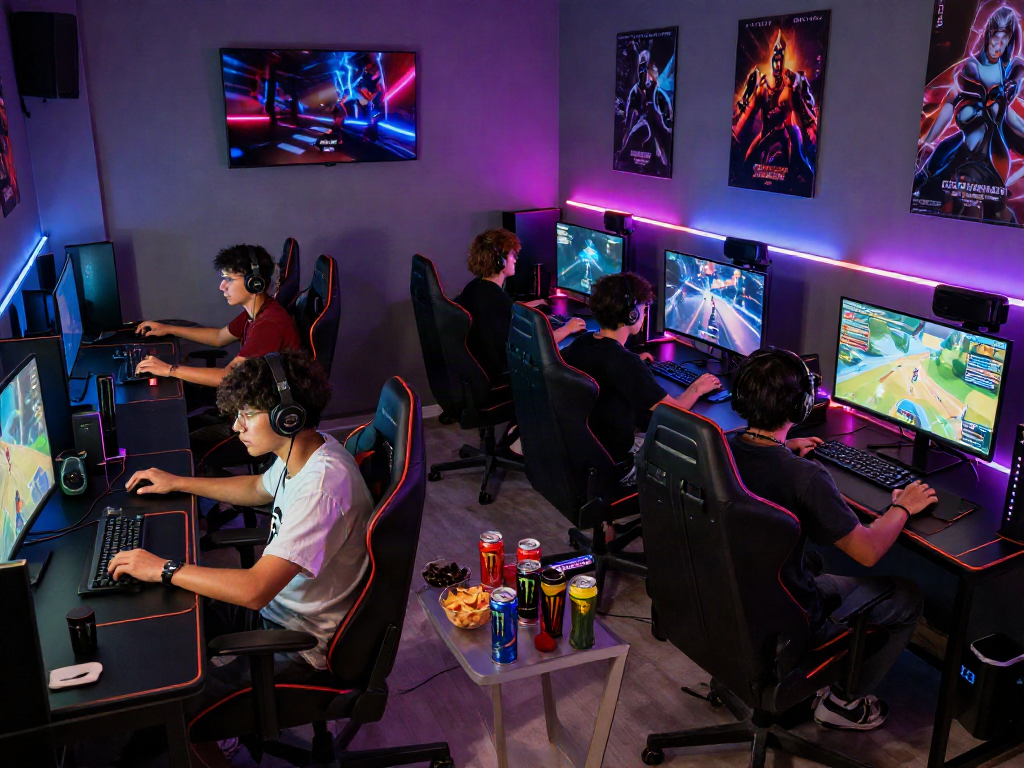
The Rise of Competitive Gaming and eSports
The landscape of gaming has undergone a seismic transformation over the last decade, transitioning from mere pastime to a formidable global industry. Competitive gaming and eSports have emerged at the forefront, captivating millions and reshaping entertainment paradigms. With significant investments pouring into various facets of the industry, understanding the dynamics at play is essential for gamers, developers, and brands alike. As we explore this vibrant ecosystem, it's crucial to consider the intricacies that make up the current state and future trajectory of eSports. For those eager to dive deeper into the specifics, resources like rokok88 provide comprehensive insights into the evolving gaming landscape.
Understanding the eSports Landscape
eSports, or electronic sports, refers to organized multiplayer video game competitions, often between professional players, individually or as teams. The rise of eSports can be traced back to the late 20th century, with the earliest tournaments showcasing arcade games. However, the advent of high-speed internet and streaming platforms ignited explosive growth in the genre. Today, eSports encompasses various games, including MOBAs like League of Legends, first-person shooters like Counter-Strike, and battle royale games such as Fortnite.
- Global Reach: eSports events attract millions of viewers worldwide, rivaling traditional sports in terms of audience engagement.
- Monetization: Professional players and teams earn substantial incomes through sponsorships, prize money, and streaming revenue.
- Community Impact: eSports fosters a sense of community, with fans engaging through chat platforms and social media.
Key Players and Platforms Driving Growth
The growth of eSports is propelled by key players that span multiple sectors. Major game developers, including Riot Games and Blizzard Entertainment, invest heavily in competitive formats and tournaments. These companies not only design the games but also facilitate competitive environments through sponsorships and organized leagues. Additionally, major streaming platforms like Twitch and YouTube Gaming have revolutionized how audiences consume content, offering real-time interaction between fans and gamers.
The presence of traditional sports teams entering the eSports arena (such as the NBA's partnership with the NBA 2K League) signifies a blending of cultural elements, further legitimizing eSports as a mainstream entertainment option. Moreover, high-profile corporate sponsorships from brands like Red Bull and Intel indicate that the corporate world sees the long-term viability and value in this emerging industry.
Future Trends in Competitive Gameplay
As we look toward the future, several trends are poised to shape the eSports landscape. The maturation of the eSports market will likely lead to increased regulation, similar to traditional sports, ensuring fair play and enhancing player welfare.
- Increased Investment: More investments from venture capitalists and corporate sponsors are expected as the industry continues to grow.
- Diversity in Game Genres: While FPS and MOBAs dominate today, expect to see more diversity with the integration of unique genres like simulation and strategy.
- Technological Integration: The rise of AI and machine learning in training and gameplay analytics will enhance player performance and spectator experience.
Consumer Behavior in the Gaming Industry
Understanding consumer behavior is critical in the gaming industry, especially as the demographics of gamers evolve. The interests, preferences, and habits of players significantly influence game development, marketing strategies, and community engagement. As the industry pushes towards more inclusivity, brands must adapt to cater to a diverse audience.
What Gamers Look for in Products
Today’s gamers are savvy consumers, often conducting extensive research before making purchases. They look for quality, immersive experiences, and value for money. Factors influencing their decisions include:
- Gameplay Experience: Gamers prioritize the playability and fun factor of a game, placing less emphasis solely on graphics.
- Community Trends: Peer recommendations and community reviews often play a crucial role in shaping gamers’ choices.
- Brand Reputation: Established brands with a history of quality tend to garner more trust and loyalty from consumers.
Impact of Streaming on Game Choices
The advent of game streaming platforms has dramatically influenced which games gain popularity. Streamers often become trendsetters, showcasing gameplay and engaging with viewers, which can lead to spikes in sales for specific titles. Gamers frequently purchase games they see streamed, driven by engagement and entertainment rather than traditional advertising.
Demographic Shifts in Gaming Audiences
The gamer demographic has significantly broadened over recent years. Traditionally dominated by young males, the gaming audience now includes a diverse mix, from older adults to women, reflecting broader societal changes. This shift is beneficial for the industry as it opens new markets and opportunities for game developers and marketers.
Technological Innovations Shaping Gaming Experiences
As technology advances, so too does the gaming landscape. Innovations not only enhance gameplay but also redefine how players interact with their favorite games. This section explores some of the most significant technological advancements occurring in gaming today.
Advancements in Gaming Hardware: A 2026 Outlook
Gaming hardware continues to evolve rapidly, with companies frequently releasing more powerful consoles and PCs. By 2026, we can expect:
- Enhanced Graphics: The transition to 8K gaming will become more prevalent, providing breathtaking visuals that immerse players.
- Improved Performance: Advances in processors and GPUs will lead to faster load times and increased frame rates, enhancing gameplay experiences.
- Stand-alone VR Systems: With advancements in virtual reality technology, we expect to see more accessible, high-quality stand-alone VR devices for consumers.
The Role of Virtual Reality and Augmented Reality
Virtual Reality (VR) and Augmented Reality (AR) have emerged as game-changers in how players experience video games. VR provides immersive experiences, while AR integrates gaming into the real world, as seen with games like Pokémon GO. As technology progresses, we anticipate:
- Greater Accessibility: More affordable VR headsets will enter the market, allowing broader adoption among gamers.
- Innovative Gameplay Mechanics: Developers will design new genres incorporating AR and VR, enhancing player engagement.
- Expanded Applications: Beyond gaming, AR and VR will find applications in education, training, and social interaction.
Cloud Gaming: A New Era of Accessibility
Cloud gaming has emerged as a significant trend, enabling players to stream games without the need for high-end hardware. This approach democratizes gaming, allowing users with less powerful devices access to graphically intensive games. Key benefits include:
- Cost Reduction: Players can save on expensive hardware investments while enjoying quality gaming experiences.
- Cross-platform Play: Games can be played on various devices, fostering inclusivity and a broader player base.
- Instant Access: Players can jump into games without lengthy downloads, significantly reducing barriers to entry.
Marketing Strategies for Brands in Gaming
Effective marketing strategies are paramount in the competitive gaming market. Brands must carefully craft their approaches to engage with the community and build loyalty. Here are essential strategies that resonate well within the gaming audience.
Best Practices for Engaging the Gaming Community
Building a strong relationship with the gaming community is vital for brand success. Brands can engage players by:
- Listening and Responding: Engaging with player feedback and incorporating suggestions enhances trust and brand loyalty.
- Creating Relevant Content: Brands should produce content that resonates with gamers, such as tutorials, gameplay videos, and behind-the-scenes looks.
- Community Events: Hosting tournaments or community contests can strengthen brand presence and foster player engagement.
The Importance of Influencer Partnerships
Partnering with gaming influencers can significantly amplify a brand's reach. Influencers can authentically promote products to their followers, driving engagement and sales. The key to successful partnerships lies in:
- Choosing the Right Influencers: Brands should seek influencers who align with their values and resonate with their target audience.
- Collaborative Campaigns: Working together to create compelling content that showcases the product can enhance credibility.
- Long-term Relationships: Developing ongoing partnerships rather than one-off campaigns can build more substantial brand loyalty.
Utilizing Social Media for Brand Awareness
Social media platforms serve as powerful tools for brands to connect with gamers. Effective strategies include:
- Targeted Ads: Use social media advertising to target specific demographics and gamer personas effectively.
- Engaging Content: Create shareable content that encourages community interaction, such as memes or challenges.
- Behind-the-scenes Insights: Offering sneak peeks into upcoming products fosters anticipation and excitement among the audience.
Future Challenges and Opportunities in Gaming
As the gaming industry continues to grow, it faces unique challenges and opportunities that will shape its future. Here’s a closer look at these dynamics.
Addressing Concerns about Inclusivity and Diversity
Inclusivity and diversity have become pivotal issues in gaming. The industry must strive to create content that accurately reflects the diversity of its audience. Brands should focus on:
- Inclusive Game Design: Create games with diverse characters and storylines that resonate with a broad audience.
- Community Representation: Encourage an inclusive environment within gaming communities to welcome all players.
- Support for Underrepresented Talent: Invest in platforms that empower diverse creators in the gaming industry.
Balancing Monetization with User Experience
As games increasingly adopt monetization strategies such as loot boxes and microtransactions, developers face the challenge of balancing profitability with user satisfaction. Key considerations include:
- Transparency: Clearly communicate monetization practices to avoid backlash from players.
- Fair Pricing: Ensure that in-game purchases provide genuine value without alienating players.
- Community Input: Seek feedback from players on monetization strategies to gauge acceptance and satisfaction.
Emerging Markets: Where to Focus Next
The global gaming market is expanding into new territories, presenting brands with fresh opportunities. Focus areas include:
- Asia-Pacific Region: Markets like India and Southeast Asia are experiencing explosive growth in gaming, driven by increased internet access.
- Mobile Gaming: The rise of mobile gaming presents an opportunity to tap into casual gamers worldwide.
- Cloud Gaming Markets: As infrastructure improves globally, brands should consider targeting regions where cloud gaming can flourish.
What are the latest trends in gaming?
In 2026, key trends include increased focus on mental health in gaming, with developers implementing features that promote well-being, and a rise in collaborative gaming and experiences. Cross-play capabilities continue to promote inclusivity, allowing players from different systems to engage together seamlessly.
How is technology changing the gaming landscape?
Technology is continually reshaping the gaming industry through advancements in AI, machine learning, and augmented realities. These innovations are enhancing gameplay by providing more immersive, realistic experiences while improving game development processes.
What are the best marketing strategies for gaming brands?
Successful marketing strategies include leveraging influencer partnerships, creating community-focused content, and maintaining engagement across social media platforms. Brands need to authentically connect with their players to foster loyalty and long-term success.
How to become a competitive gamer?
To become a competitive gamer, players must hone their skills through consistent practice, learn from established players, and participate in tournaments. Building a strong community presence and streaming gameplay can also open doors to opportunities in eSports.
What trends are emerging in eSports?
Emerging trends in eSports include a growing emphasis on mental health within competitive environments, increased participation from women in eSports, and the development of collegiate eSports programs, providing pathways for new talent and fostering community around gaming.