
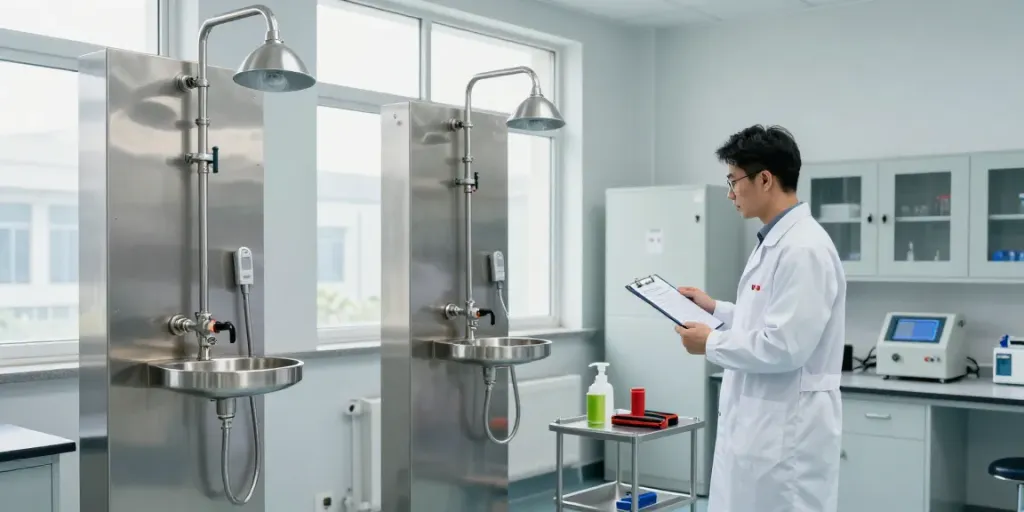
Understanding Notduschen and Augenduschen
Notduschen and Augenduschen are critical components in ensuring safety within industrial and laboratory environments. These emergency shower systems are designed to deliver immediate relief in situations where personnel may be exposed to hazardous materials, chemicals, or other dangers. In the event of an accident, quick access to a Notdusche (emergency shower) or Augendusche (eye wash station) can significantly reduce the risk of serious injuries. Understanding the specifics of these systems is crucial for employers who prioritize worker safety and compliance with regulations.
When exploring options, Notdusche für Industrie kaufen can offer comprehensive insights into the types of emergency showers available, including features, specifications, and compliance standards. It is essential for managers to have this knowledge to make informed decisions about their safety equipment needs.
What are Notduschen and Augenduschen?
Notduschen, or emergency showers, are designed to wash away hazardous substances from a person’s body. These systems are typically installed in areas where employees may come into contact with toxic chemicals, flammable materials, or hot surfaces. Augenduschen, on the other hand, specifically focus on flushing the eyes in case of chemical splashes or irritants. Together, they provide a comprehensive approach to emergency safety.
Importance of Emergency Showers in Industrial Settings
The importance of Notduschen and Augenduschen in industrial settings cannot be overstated. In environments such as laboratories, factories, and construction sites, the risk of accidents involving hazardous materials is significant. These emergency systems serve multiple purposes:
- Immediate Response: They provide an instant solution to mitigate the effects of chemical exposure.
- Regulatory Compliance: Many workplaces must adhere to safety regulations that mandate the availability of emergency showers and eye wash stations.
- Employee Confidence: Knowing that emergency measures are in place can increase worker morale and trust in their employer's commitment to safety.
Key Features to Look for in Industrial Showers
When selecting Notduschen and Augenduschen, it is vital to consider various features that enhance their efficiency and accessibility:
- Water Flow Rate: A minimum flow rate should be specified to ensure effective decontamination.
- Temperature Control: Systems should provide water at a safe and comfortable temperature; heating and cooling systems may be necessary.
- Accessibility: Showers should be easily reachable and clearly marked, often within a 10-second walking distance from potential hazards.
- Maintenance Features: Maintenance access points can streamline upkeep, ensuring equipment remains functional.
Compliance and Standards for Safety Equipment
Ensuring that Notduschen and Augenduschen meet regulatory standards is imperative for workplace safety. Compliance with recognized standards not only protects employees but also shields organizations from legal liabilities.
Relevant EN and ANSI Standards for Notduschen
Several European (EN) and American National Standards Institute (ANSI) standards govern the design and performance of emergency showers and eye wash stations:
- EN 15154: This standard specifies requirements for the design and performance of emergency showers.
- ANSI Z358.1: Applicable in the U.S., it sets guidelines for the location, installation, and maintenance of emergency equipment.
How to Ensure Compliance in Your Facility
To maintain compliance with EN and ANSI standards, employers should regularly review their emergency shower systems against the current regulations. This includes:
- Conducting routine inspections to ensure functionality and accessibility.
- Documenting maintenance activities and inspection results.
- Training employees on the proper use of emergency showers and eye wash stations.
Common Certification and Inspection Practices
Regular certification and inspection of Notduschen and Augenduschen is vital. Many facilities will have third-party agencies conduct evaluations to certify compliance with safety standards. An effective inspection program includes:
- Scheduled inspections based on manufacturer recommendations and regulatory requirements.
- Maintaining records of inspections and corrections made.
- Engaging qualified personnel to perform the inspections.
Selecting the Right Notdusche for Your Environment
Choosing the appropriate Notdusche for a specific environment requires careful consideration of several factors that impact safety and effectiveness. Each workplace will have unique needs based on its specific hazards.
Factors to Consider: Location and Conditions
Environmental conditions play a critical role in the selection process. Factors such as:
- Temperature Extremes: In colder climates, heating systems may be necessary to prevent water from freezing.
- Space Constraints: Limited space may influence the choice between fixed and portable solutions.
- Water Supply: Verify availability and pressure, ensuring it meets the demands of the emergency system.
Choosing Between Fixed and Portable Solutions
Fixed Notduschen are typically permanently installed in high-risk areas, while portable options can be moved as needed. Consider the following:
- Fixed Systems: Best for locations with constant hazards; require significant planning for installation.
- Portable Systems: Offer flexibility, suitable for projects or areas where hazards are variable.
Exploring Additional Features for Enhanced Safety
Beyond basic functionality, additional features can enhance the safety and usability of Notduschen:
- Acoustic Alarms: Provide alerts when activation occurs, drawing attention to an emergency.
- Lighting: Ensure visibility in low-light environments, facilitating rapid response during emergencies.
- Catch Basins: Help manage water runoff and prevent slip hazards.
Installation and Maintenance Best Practices
Correct installation and regular maintenance of emergency shower systems are essential to ensuring optimal performance and safety compliance.
Proper Installation Techniques for Maximum Compliance
Installation should follow manufacturer specifications and regulatory guidelines. Key considerations include:
- Positioning showers and eye wash stations within the recommended distance from hazardous areas.
- Securing plumbing connections to prevent leaks and ensuring adequate drainage.
- Testing water flow and pressure after installation to confirm performance standards.
Regular Maintenance Schedule: Keeping Your Showers Functional
Establishing a maintenance schedule is critical. Regular checks should include:
- Testing water flow and temperature at least once a month.
- Inspecting all components for wear or damage.
- Cleaning nozzles and ensuring there are no blockages.
Identifying Common Issues and Troubleshooting
Common issues can arise, and troubleshooting is vital to maintain compliance. Typical concerns include:
- Low Water Pressure: Check for clogs or leaks in the plumbing system.
- Temperature Fluctuations: Inspect heating elements or cooling units for malfunctions.
- Inaccessible Locations: Ensure pathways to showers are clear and signage is visible.
The Future of Safety Showers in Industry
As industries evolve, so do the technologies and methodologies surrounding safety equipment like Notduschen and Augenduschen. Staying ahead of trends can enhance workplace safety and compliance.
Emerging Trends in Emergency Safety Equipment
Innovations in safety equipment are becoming more commonplace. Among them are:
- Smart Technology: Integration of IoT devices to monitor functionality and alert maintenance personnel in case of failures.
- Environmentally Friendly Options: Water-saving systems that minimize usage while maximizing effectiveness.
Technological Advancements: Smart Notduschen
Smart Notduschen may include features like sensors to automatically activate when someone approaches, ensuring immediate response without needing manual operation. This can be particularly beneficial in high-traffic areas.
Preparing for Changes in Health and Safety Regulations
Upcoming changes in regulations may alter compliance requirements. Staying informed about legislative developments helps ensure that workplaces remain compliant and safety-conscious.
What are the Best Practices for Maintaining Notduschen?
Best practices for maintaining emergency showers include regular inspections, prompt repairs, and ensuring that all staff are adequately trained in their use and maintenance. Documentation of maintenance activities is crucial for compliance and safety audits.
Can Notduschen be Customized for Specific Needs?
Yes, many manufacturers offer customization options based on specific workplace hazards and environments, allowing for tailored solutions that meet unique safety requirements.
How Often Should Notduschen be Inspected?
Inspection frequency can depend on usage and environmental factors, but a general guideline is at least once a month, with thorough annual inspections recommended to ensure compliance and functionality.
What are the Best Brands for Industrial Safety Showers?
Several reputable brands specialize in industrial safety showers, including units from trusted providers known for their quality and reliability. Researching and comparing certifications and features is essential when choosing the best options for your facility.
Where Can I Purchase Notduschen for My Facility?
Purchasing Notduschen can be done through various suppliers specializing in safety equipment. Providers like Hansehandel offer a range of options tailored to industrial needs.

Comments
No comments yet.
Leave a comment