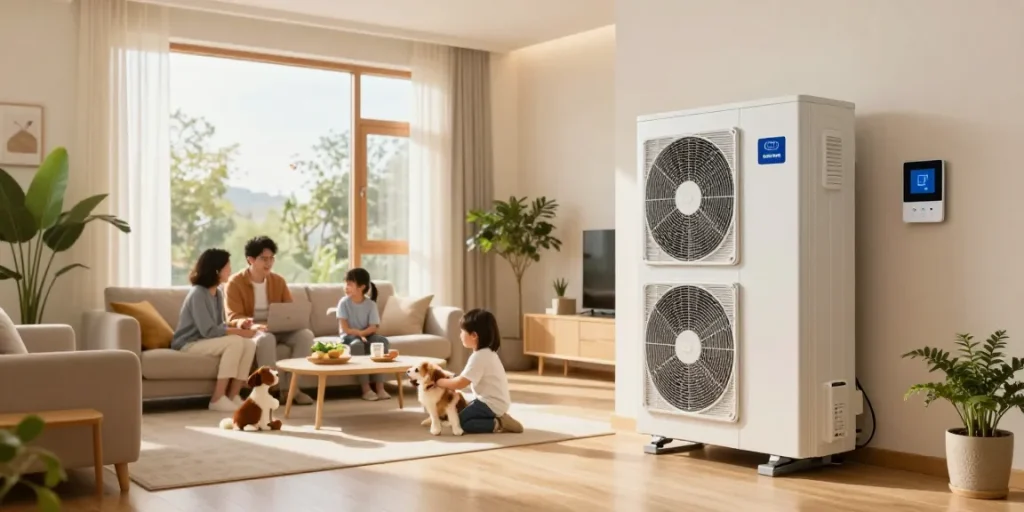

Understanding the Basics of Wärmepumpe Bosch
As the demand for efficient and sustainable heating solutions grows, the wärmepumpe bosch stands out as a leading option for homeowners looking to minimize energy costs and environmental impact. Bosch, a renowned name in home comfort technology, offers various heat pump systems designed to extract thermal energy from the environment and convert it into usable heat for residential spaces. This article delves into the essence of Bosch heat pumps, explaining how they operate, their benefits, and considerations for potential installation.
What is a Wärmepumpe Bosch?
A Wärmepumpe Bosch, or Bosch heat pump, is an advanced heating system that utilizes renewable energy sources to provide efficient climate control for homes. These systems can be categorized into three primary types: air-to-water, ground-to-water, and water-to-water heat pumps. Each type harnesses energy from natural sources, promoting sustainable living while ensuring comfortable indoor environments.
How Do Wärmepumpe Systems Work?
At their core, Bosch heat pumps operate based on the principles of thermodynamics, utilizing a refrigeration cycle to absorb and transfer heat. Here’s a simplified breakdown of the process:
- Heat Absorption: The system extracts heat from the environment (air, ground, or water) using a refrigerant, which turns from a liquid to a gas due to the absorbed heat.
- Compression: The gaseous refrigerant is then compressed, raising its pressure and temperature significantly.
- Heat Release: The hot gas passes through a heat exchanger, delivering heat to the home’s heating system, such as radiators or underfloor heating.
- Condensation: As the gas releases heat, it condenses back into a liquid state, ready to begin the cycle again.
Benefits of Choosing a Wärmepumpe Bosch
Investing in a Wärmepumpe Bosch offers numerous advantages, including:
- Energy Efficiency: Bosch heat pumps are designed to provide exceptional energy efficiency, with some models achieving a seasonal coefficient of performance (SCOP) as high as 5.1, meaning they can produce up to five times the energy they consume.
- Environmentally Friendly: By utilizing renewable energy sources, these systems significantly reduce carbon emissions and reliance on fossil fuels.
- Versatile Applications: Wärmepumpe Bosch systems can be used for both heating and cooling, making them an excellent year-round solution for climate control.
- Long-Term Savings: The initial investment in a Bosch heat pump can lead to significant savings on energy bills over time, especially with rising energy costs.
Cost Considerations for Installing a Wärmepumpe Bosch
Initial Investment and Installation Costs
The cost of installing a Wärmepumpe Bosch varies based on several factors, including the type of heat pump, the size of the home, and site-specific conditions. Generally, homeowners can expect to pay between €20,000 and €40,000 for an air-to-water system, while ground-source heat pumps may range from €60,000 to €100,000. Installation costs can also be influenced by the complexity of the site, existing infrastructure, and local labor rates.
Long-term Savings on Energy Bills
While the upfront costs may seem significant, the long-term savings can make a Wärmepumpe Bosch an economically sound choice. With energy efficiency ratings that often exceed traditional heating solutions, users can enjoy monthly savings on energy bills, which may amount to as much as 50% savings compared to conventional heating systems. Additionally, these systems typically require less maintenance than traditional boilers, reducing overall operating costs.
Government Incentives and Rebates for Wärmepumpe Systems
Many governments offer incentives to encourage the adoption of renewable energy technologies, including heat pumps. Homeowners investing in a Wärmepumpe Bosch may be eligible for rebates, tax credits, or low-interest financing options, which can significantly reduce the initial investment. It’s advisable to check local regulations and programs to take full advantage of available financial support.
Comparing Wärmepumpe Bosch with Other Brands
Performance and Efficiency Ratings
When assessing the performance of heating systems, efficiency ratings are crucial. Bosch heat pumps are often praised for their high SCOP ratings, which can surpass many competitors. For instance, while some brands may offer systems with a SCOP of around 3.5, Bosch models can reach values closer to 5.1, showcasing superior energy efficiency. This performance translates into lower operational costs and less environmental impact.
Warranty and Support Comparison
Warranties and customer support are significant factors when choosing a heat pump. Bosch offers robust warranties on their products, typically extending up to five years, with options for extended coverage. Customer support is also a critical consideration, and Bosch provides comprehensive services, including installation assistance and ongoing maintenance support, ensuring customers feel secure in their investment.
Customer Reviews and Satisfaction Rates
Customer feedback is an invaluable resource when evaluating heating systems. Many users of Wärmepumpe Bosch report high satisfaction rates, praising the systems’ efficiency, low noise levels, and reliability. Reviews often highlight the seamless integration of these heat pumps into existing home heating systems, adding to their appeal for homeowners looking to upgrade.
Best Practices for Operating Your Wärmepumpe Bosch
Regular Maintenance Tips
To ensure optimal performance and longevity of your Wärmepumpe Bosch, regular maintenance is essential. Here are some best practices:
- Schedule annual professional inspections to check for system efficiency and identify potential issues.
- Keep the outdoor unit free from debris, ensuring unobstructed airflow for efficient operation.
- Check and replace air filters regularly to maintain air quality and system efficiency.
Optimal Settings for Different Seasons
For maximum efficiency, it’s important to adjust your heat pump settings according to seasonal changes. In winter, set your thermostat to a comfortable level, ensuring that the system operates effectively without unnecessary energy expenditure. In summer, utilize the cooling function, and consider slightly raising the temperature to save on cooling costs.
Common Issues and Troubleshooting
Being aware of common issues can help homeowners troubleshoot effectively. Some typical problems include:
- Reduced heating or cooling performance, often caused by clogged filters or insufficient refrigerant levels.
- Strange noises, which may indicate mechanical issues or loose components.
- Increased energy bills, which could suggest a decline in efficiency or system malfunctions.
The Future of Home Heating: Trends for 2026 and Beyond
Innovations in Wärmepumpe Technology
The future of Wärmepumpe technology looks promising as manufacturers, including Bosch, invest in innovation. Expect advancements in smart technology integration, allowing systems to be controlled remotely via smartphones for enhanced convenience and energy management. Additionally, developments in low-GWP refrigerants will make these systems even more environmentally friendly.
Impact of Sustainability on Heating Solutions
Sustainability continues to shape consumer preferences, driving demand for heating solutions that minimize environmental impact. The increasing awareness of climate change is nudging homeowners toward energy-efficient systems like Wärmepumpe Bosch, as they provide a pathway to reduced carbon footprints.
Predictions for Energy Efficiency Standards
As governments push for more stringent energy efficiency standards, manufacturers will likely adapt their product offerings. Bosch and other industry leaders are expected to continue enhancing the energy efficiency of their heat pumps, ensuring compliance with future regulations while meeting consumer demands for sustainability.
How to Choose the Right Model for Your Needs?
Selecting the right Wärmepumpe Bosch model hinges on several factors, including the size of your home, insulation quality, local climate, and specific heating needs. Conducting a thorough assessment with a professional installer can provide tailored recommendations, ensuring optimal performance and efficiency.
What are the environmental benefits of a Wärmepumpe Bosch?
By utilizing renewable energy sources, Wärmepumpe Bosch systems significantly lower greenhouse gas emissions compared to fossil fuel heating solutions. This contributes to cleaner air and a reduced carbon footprint, supporting global efforts toward sustainability.
Is a Wärmepumpe Bosch suitable for all types of homes?
Wärmepumpe Bosch systems are versatile and can be adapted to various home types, including single-family homes and multi-unit dwellings. However, the suitability of a specific model may depend on factors such as existing heating systems, space availability, and local climate conditions.
How does a Wärmepumpe Bosch compare to traditional heating systems?
Compared to traditional heating systems, such as gas boilers or electric heaters, Wärmepumpe Bosch systems offer superior energy efficiency and lower operational costs. They also provide the advantage of utilizing renewable energy sources, which traditional systems do not, highlighting their eco-friendly credentials.
What maintenance is required for optimal performance?
Regular maintenance is crucial for sustaining the performance of a Bosch heat pump. This includes annual inspections, prompt repairs for any identified issues, and keeping the outdoor unit clean to ensure effective airflow and efficiency. Following the manufacturer’s maintenance guidelines will also prolong the lifespan of the system.