Understanding the Impact of Technology in Gastronomy
As we delve into the evolving landscape of the culinary world, the intertwining of technology and gastronomy becomes increasingly prominent. Innovations in technology are not just trends; they are reshaping how we prepare, present, and consume food. From smart kitchen appliances that streamline cooking processes to AI-driven analytics predicting food trends, these advancements are vital in driving efficiency and enhancing customer experiences in the restaurant industry. For the latest insights on these transformative developments, gourmeticat tech news is an excellent resource that highlights the continuous evolution within this sector.
The Rise of Tech in Culinary Ventures
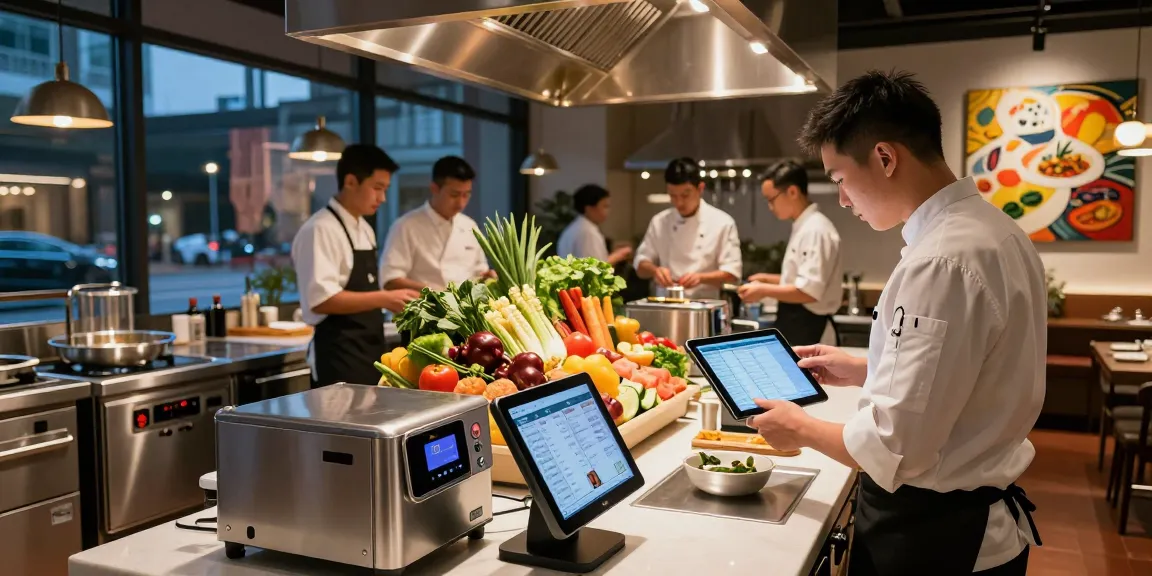
The integration of technology in the culinary world is not a recent phenomenon but rather a gradual evolution that has gained momentum over the years. Chefs and restaurateurs are increasingly adopting tech solutions to enhance their operational efficiency and customer service. For instance, sophisticated point-of-sale systems are streamlining transactions, while inventory management software provides real-time insights into stock levels, reducing waste and ensuring that popular items are always available.
The rise of food delivery apps has also revolutionized the dining experience, catering to the ever-increasing demand for convenience. As consumers' lifestyles change, restaurants that leverage these platforms can reach a broader audience, fostering customer loyalty through seamless service.
How AI is Transforming Restaurant Operations
Artificial Intelligence (AI) is at the forefront of technological transformation in the restaurant sector. From predictive analytics helping chefs understand consumer preferences to chatbots managing reservations and customer inquiries, AI tools are streamlining operations. For instance, AI algorithms analyze data from past orders, allowing restaurants to tailor their menus according to seasonal trends and customer preferences.
Moreover, AI-powered kitchen assistants can monitor cooking processes, ensuring dishes are prepared to perfection and reducing the margin for error. Such enhancements not only improve efficiency but also elevate the dining experience, creating a more personalized touch for customers.
Merging Tradition with Innovation in Food Preparation
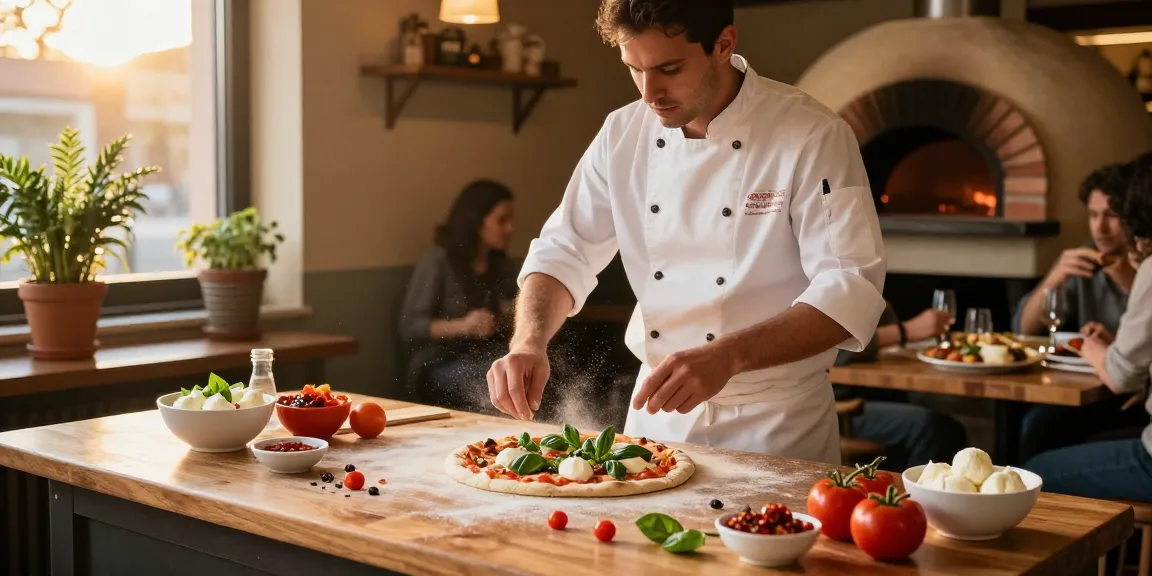
While technology continues to redefine culinary practices, the industry must balance innovation with traditional cooking methods. Chefs around the world are embracing fusion cuisine approaches, blending age-old techniques with modern technology. For example, sous-vide cooking, which involves vacuum-sealing food and immersing it in temperature-controlled water, epitomizes this blend of art and science. This technique allows for precise control over cooking temperatures, resulting in perfectly cooked dishes while preserving flavors and nutrients.
In essence, the fusion of tradition and technology creates a dynamic culinary landscape where chefs can experiment and innovate while honoring the time-honored practices that define their art.
Key Technologies Shaping the Future of Dining
Smart Kitchen Appliances: Streamlining Meal Prep
The rise of smart kitchen appliances is making meal preparation more efficient than ever. Devices like smart ovens and refrigerators can connect to the internet and offer features such as recipe suggestions based on the ingredients available at home. This connectivity minimizes preparation times and allows for a more organized and precise cooking experience.
Moreover, appliances equipped with built-in sensors can adjust cooking times and temperatures automatically, ensuring that every dish is cooked to perfection. Such advancements have proven invaluable for busy chefs and home cooks alike, making culinary creation accessible and enjoyable.
Data Analytics in Predicting Culinary Trends
Data analytics is becoming increasingly crucial in the food industry, allowing businesses to foresee culinary trends and adapt accordingly. By analyzing customer feedback and purchasing data, restaurants can identify which dishes resonate most with their patrons and adapt their menus in real-time. This proactive approach not only retains customers but also attracts new clientele looking for innovative dining experiences.
Additionally, data analytics can enhance marketing strategies by pinpointing the most effective channels for engaging customers, ensuring that businesses allocate their resources wisely.
Food Delivery Innovations: Beyond Standard Platforms
The food delivery landscape is evolving beyond traditional platforms as tech companies introduce innovative solutions to enhance the consumer experience. Ghost kitchens, for example, have emerged as a popular model, allowing multiple brands to operate from a single location without the need for physical dining spaces. This model can significantly reduce overhead costs while reaching a broader audience through delivery services.
Furthermore, advancements in logistics technology are optimizing delivery routes, decreasing wait times, and ensuring food quality upon arrival. As more consumers turn to delivery services, the need for efficient systems and operations will only grow.
Challenges Facing Culinary Professionals Today
Overcoming Resistance to Technological Changes
Despite the numerous benefits of tech innovations, many culinary professionals resist adopting new technologies. This resistance often stems from a lack of understanding or fear of losing the personal touch in food preparation. To address this issue, restaurant owners must foster a culture that embraces change, providing staff with appropriate training and support to navigate new technologies confidently.
Workshops and training sessions focusing on the advantages of technology in the kitchen can help alleviate concerns and demonstrate how these tools can enhance rather than replace traditional culinary methods.
Balancing Quality and Efficiency with New Tools
As restaurants adopt new technologies, a pressing challenge lies in striking the right balance between quality and efficiency. For example, while automation can improve speed, it can also risk compromising the craftsmanship that defines fine dining experiences. Chefs must remain vigilant, ensuring that technology serves as an aid rather than a crutch.
Implementing systems that allow for manual overrides or adjustments during cooking processes can help maintain this balance, ensuring that the artistry of cooking is not lost in the name of efficiency.
Navigating the Learning Curve for Staff Training
Integrating new technologies into culinary operations often requires a steep learning curve, posing a significant hurdle for restaurant staff. Providing comprehensive training programs that cover not just the 'how' but also the 'why' behind technological tools can empower staff members, fostering their confidence and ability to adapt.
Mentorship programs where experienced staff help train newcomers can also facilitate smoother transitions and create a more supportive workplace culture.
Case Studies: Success Stories in Tech-Driven Restaurants
Restaurants Thriving with Advanced Ordering Systems
A notable example of a restaurant successfully integrating technology is Domino's Pizza, which has harnessed advanced ordering systems to boost sales and enhance customer satisfaction. By allowing customers to place orders through various channels, including mobile apps and smart home devices, they have streamlined the ordering process, minimizing wait times and errors.
Furthermore, their use of AI-driven insights allows them to predict busy periods and adjust staffing and inventory accordingly, ensuring a consistently high-quality experience for patrons.
Impact of Robotics on Food Preparation and Service
Robots are making waves in kitchens around the globe, serving various roles from food preparation to delivery. For instance, Moley Robotics has developed a robotic kitchen that can prepare gourmet meals autonomously. By replicating the motions of a human chef, these robots can create complex recipes with speed and precision, reducing labor costs while maintaining high culinary standards.
Robotics in food service is not limited to kitchen preparation; it extends to the front of the house as well. Some restaurants employ robots to deliver dishes to patrons, enhancing the dining experience with a unique touch while freeing waitstaff to focus on customer engagement.
Using VR for Enhanced Customer Experiences
Virtual reality (VR) is gaining traction as a tool for enhancing customer experiences in restaurants. By offering immersive dining experiences that transport guests to various locations or themes, restaurants can create memorable interactions that extend beyond mere dining. A case in point is the use of VR in themed pop-up restaurants, where diners can enjoy unique meals in environments that enhance the narrative of their dining experience.
This innovative approach not only attracts customers looking for novel experiences but also drives social media engagement, as patrons share their unique dining adventures online.
Future Trends in Culinary Technology for 2026
The Role of Sustainability in Tech Innovations
Sustainability is becoming a vital consideration in the integration of technology within the culinary sector. As concerns about environmental impact grow, restaurateurs are seeking technologies that promote sustainability, such as energy-efficient appliances and farm-to-table supply chain management systems. By implementing such technologies, restaurants can reduce waste and minimize their carbon footprint while appealing to eco-conscious consumers.
Additionally, innovations in packaging technology are being developed to ensure that food remains fresh without relying on harmful plastics, thus aligning culinary practices with sustainability goals.
Predictions for Food Tech Advancements
Looking towards the future, several key advancements are expected to shape the culinary landscape. Enhanced machine learning capabilities will provide deeper insights into consumer preferences, allowing restaurants to tailor their offerings more accurately than ever before. Furthermore, the continued rise of plant-based alternatives and lab-grown meats will challenge traditional culinary practices and push innovation in food product development.
As technology integrates with culinary artistry, chefs will find new ways to showcase their creativity while meeting evolving consumer demands.
How Blockchain Could Revolutionize Supply Chains
Blockchain technology has the potential to revolutionize supply chains in the food industry by enhancing transparency and traceability. By utilizing blockchain, restaurants can track the origin of their ingredients, ensuring quality and safety for consumers. This level of transparency fosters trust with customers, who are increasingly concerned about where their food comes from and how it is produced.
Moreover, blockchain can streamline transactions between suppliers and distributors, allowing for quicker adjustments to orders in real time, optimizing inventory management.
What are the latest technological innovations impacting the restaurant industry?
As we advance into 2026, various technological innovations are reshaping the restaurant industry, including AI-driven customer service tools, advanced data analytics for menu optimization, and smart kitchen appliances that automate food preparation. Each of these technologies plays a crucial role in enhancing efficiency and improving the overall customer experience in dining establishments.
How can AI improve restaurant customer experiences?
AI can enhance restaurant customer experiences by personalizing recommendations based on previous orders and preferences, automating reservations and inquiries, and facilitating efficient order processing. By analyzing customer data, AI can tailor marketing strategies and dining experiences, ensuring that customers feel valued and understood.
What are some common misconceptions about food technology?
Many believe food technology compromises the integrity of traditional cooking methods; however, the reality is that it serves to enhance and preserve culinary art by streamlining operations and allowing chefs to focus on creativity. Misconceptions also include the belief that technology is too costly for small restaurants; with the right strategies, these tools can be implemented cost-effectively, driving growth and success.
Which technologies are changing the landscape of food delivery?
Several technologies are reshaping food delivery, such as advanced logistics platforms that optimize delivery routes, drone delivery systems that cut down wait times, and app-based interfaces that allow seamless communication between consumers and restaurants. These innovations are making food delivery more accessible and efficient, catering to evolving consumer demands.
How can restaurants effectively implement new tech solutions?
Restaurants can effectively implement new tech solutions by conducting thorough research to identify the tools that best fit their operational needs. Providing comprehensive staff training and fostering a culture of adaptability and openness to change can ensure a smooth transition. Continuous evaluation of technology usage and performance will also ensure that new solutions yield the desired benefits.