
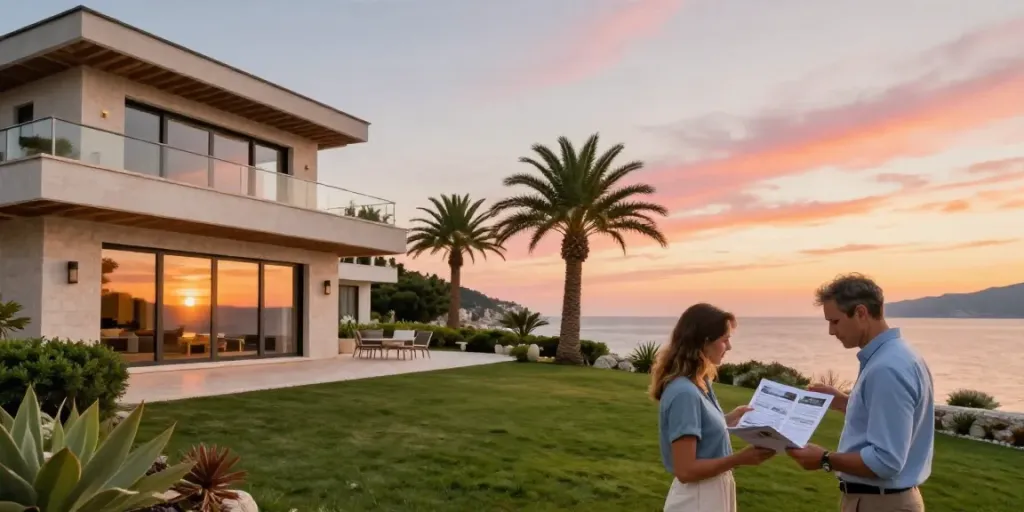
Understanding the Real Estate Market in Montenegro
The real estate market in Montenegro has become an increasingly attractive destination for investors looking to diversify their portfolios. This small Balkan nation, nestled along the Adriatic Sea, offers not only stunning landscapes but also favorable conditions for real estate investment. With its growing popularity among foreign buyers, the market is ripe with opportunities for both residential and commercial investments. When exploring options, الاستثمار العقاري في الجبل الأسود provides comprehensive insights into the current trends and regulations affecting potential investors. Understanding these dynamics is crucial for making informed investment decisions.
Overview of Investment Opportunities in Montenegro
Montenegro's real estate market boasts a variety of investment opportunities ranging from luxury beachfront properties to affordable apartments in urban areas. The government has made considerable efforts to attract foreign direct investment through simplified ownership laws and tax incentives. For many investors, the allure lies not only in the competitive pricing of properties but also in the potential for rental income, particularly in tourist hotspots like Kotor, Budva, and Tivat.
- Luxury villas and homes along the Adriatic coast
- Residential apartments in urban settings
- Commercial properties catering to tourist services
- Land for development in emerging locations
Current Trends and Market Dynamics
The Montenegrin real estate market has undergone significant changes in recent years. The increased demand for real estate has been driven by various factors, including a rise in international tourism and the country's ongoing EU candidacy status. Additionally, the recovery from the COVID-19 pandemic has sparked renewed interest in vacation homes, leading to a surge in property values. Investors are keen to capitalize on the anticipated growth trajectory of the market.
Key Factors Driving Demand for Real Estate
Several key factors contribute to the increased demand for real estate in Montenegro:
- Tourism Boom: With over 2 million visitors annually, Montenegro's tourism sector fuels demand for rental properties.
- EU Membership Prospects: As Montenegro works towards EU accession, property values are expected to rise, making it a strategic investment.
- Favorable Taxation: Low property taxes and no inheritance tax are appealing to foreign investors.
Legal Framework for Foreign Investors
Property Ownership Regulations for Foreign Nationals
Foreign investors in Montenegro are allowed to fully own real estate, which is a significant advantage. The process for purchasing property is streamlined, with minimal bureaucracy involved. Investors must register with the Central Registry of the Commercial Court and can purchase property either as individuals or through corporate entities. It is essential for investors to conduct due diligence to ensure that the properties are free of encumbrances and to understand all legal obligations associated with ownership.
Tax Implications of Real Estate Investments
Investors should be aware of the tax implications of real estate investments in Montenegro. The country imposes a property transfer tax of around 3% on the purchase price. Additionally, rental income is subject to taxation, with rates varying based on the nature of the property business. Understanding these financial obligations is crucial for maximizing the profitability of investments.
Navigating Residence Permits Linked to Property Investment
Investors who purchase property worth €250,000 or more may qualify for a temporary residence permit, which can facilitate easier access to living in Montenegro. This permit is valid for up to five years and can be renewed, providing an excellent opportunity for those looking to live and invest in the country long-term.
Financing Your Investment
Available Mortgage Options for Foreign Buyers
Foreigners seeking to invest in Montenegro can leverage several financing options, although securing a mortgage can be more challenging than in other countries. Local banks offer mortgages with varying terms, usually requiring a down payment of 30-50%. It is advisable for potential borrowers to have a solid understanding of their financial situation and to seek pre-approval before making a property offer.
Investment Costs: What to Expect?
Investors should prepare for various costs associated with purchasing real estate in Montenegro, including:
- Property transfer tax and legal fees
- Inspection and appraisal costs
- Ongoing maintenance and management fees for rental properties
Understanding these expenses can help investors budget effectively and safeguard their investments.
ROI Analysis: Understanding Your Potential Returns
Calculating the return on investment (ROI) in Montenegro's real estate market is essential for informed decision-making. Rental yields can vary significantly, with prime locations often yielding returns of 6-8% annually. Longer-term appreciation potential also remains strong, especially in regions earmarked for future development. Investors should assess their investment goals and timelines when evaluating potential returns.
Choosing the Right Property
Types of Properties Available for Investment
The diversity of real estate options in Montenegro provides various avenues for investment. Key property types include:
- Residential Properties: Apartments and houses suitable for living or vacation rentals.
- Commercial Properties: Spaces for businesses that cater to tourists, such as restaurants and shops.
- Land for Development: Opportunities to build custom projects in emerging areas.
Analyzing Property Locations for Long-term Value
Location is a critical factor influencing the value of real estate in Montenegro. Areas such as Kotor and Budva are well-established tourist destinations, while regions like Tivat and Herceg Novi are quickly gaining popularity. Investors should conduct thorough research to identify neighborhoods with growth potential and amenities that appeal to future buyers or renters.
Evaluating Property Management Services
For those investing in rental properties, choosing a reliable property management service can significantly impact long-term success. A good property manager will handle tenant relations, maintenance, and marketing, allowing investors to maximize their rental income while minimizing stress. It's advisable to interview multiple management companies and inquire about their experience, fees, and service offerings.
Future Outlook for Real Estate in Montenegro
Predictions for Market Growth and Development in 2026
As Montenegro's economy continues to recover and grow, the real estate market is expected to thrive. Analysts predict that property values will continue to appreciate, especially in areas with planned infrastructure improvements. The government's ongoing initiatives to promote tourism and business development will also enhance market conditions.
Exploring Emerging Regions for Investment
While traditional hotspots remain popular, emerging regions like Ulcinj and Plužine are beginning to attract investor interest due to their unique offerings and potential for growth. These areas may provide more affordable investment opportunities with significant upside potential.
Impact of EU Membership on the Real Estate Market
Montenegro's ongoing bid for EU membership is expected to positively impact the real estate market. As the country aligns more closely with EU regulations and standards, foreign investment is likely to increase, further driving demand for property. Investors who act now may benefit from the initial stages of this transition as property values rise.


Comments
No comments yet.
Leave a comment