The Evolution of Humanoid Robotics
The realm of humanoid robotics has undergone significant transformations over the past few decades, evolving from rudimentary automata into sophisticated, AI-powered machines capable of performing complex tasks. This evolution is not merely a tale of technological advancement, but a reflection of societal needs and an exploration of the human-like capabilities we seek to replicate in machines. Companies like Robot24 are at the forefront of these advancements, providing insights and updates that shape our understanding of the robotics landscape. In this article, we will explore the history, current trends, and future potential of humanoid robotics.
History and Milestones in Humanoid Technology
The journey of humanoid robotics began in the early 20th century with simple mechanical devices designed for entertainment. However, it was not until the late 20th century that serious research began to focus on creating robots that could mimic human movements and behaviors. Milestones such as the development of Honda’s ASIMO in 2000 demonstrated the potential for robots to navigate complex environments and perform tasks similar to humans.
Over time, technologies such as artificial intelligence (AI), machine learning, and advanced sensor systems have propelled the field forward. From Boston Dynamics' Atlas robot, which showcases advanced locomotion and agility, to SoftBank's Pepper, designed for social interaction, each innovation brings us closer to the integration of humanoid robots into our daily lives.
Current Innovations and Trends in Robotics
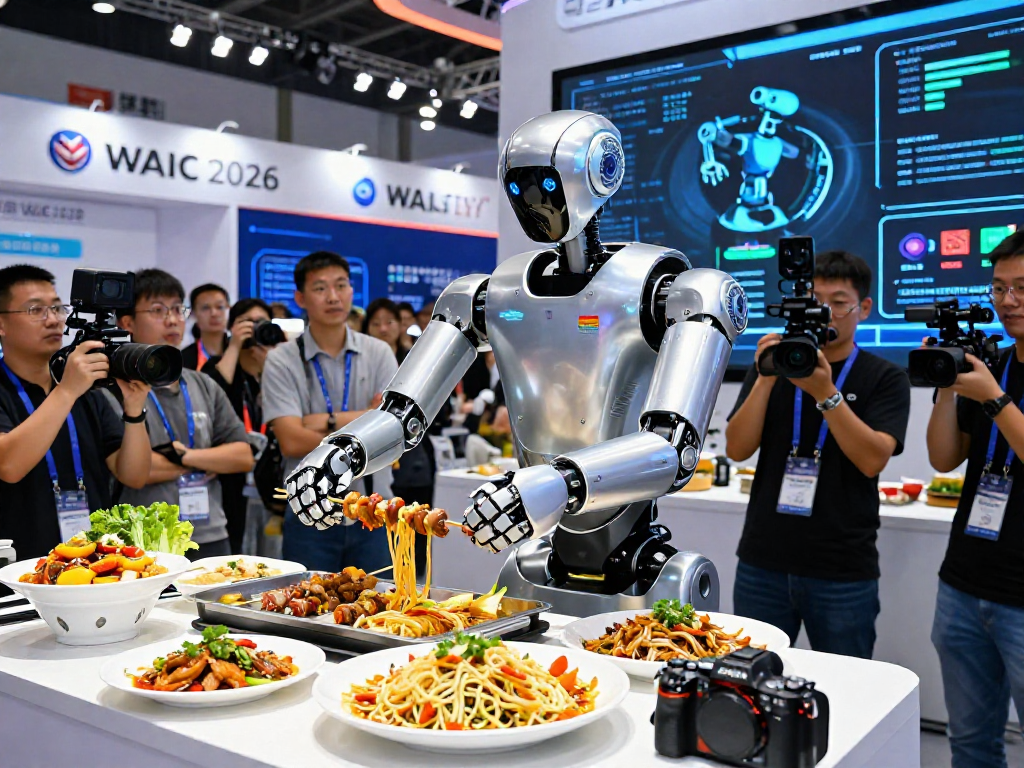
As we enter 2026, the landscape of humanoid robotics is characterized by significant innovations that cater to diverse industries. BrainCo's recent unveiling of their brain-to-robot AI platform at the WAIC 2026 highlights how AI continues to enhance the capabilities of humanoid robots. This platform enables robots to interpret human thoughts and actions, making interactions more intuitive and seamless.
Additionally, the introduction of new models by AGIBOT, such as their A3 Ultra and G2 Max, showcases a trend towards specialized robots capable of performing real-world tasks— from cooking kebabs to assisting in educational settings. These advancements not only enhance functionality but also aim to make robots more adaptive in unpredictable environments.
Impact of AI on Humanoid Robot Capabilities
The integration of AI into humanoid robotics has revolutionized how these machines perceive and interact with their environment. Advanced AI algorithms enable robots to process vast amounts of data from their surroundings, allowing for real-time decision-making and learning. For example, KAIST's AI-powered robot dog can switch gaits to handle rough terrain, demonstrating the adaptability that AI brings to robotics.
Furthermore, AI enhances the emotional intelligence of robots, allowing them to recognize and respond to human emotions. This capability is vital for applications in healthcare, where robots can provide companionship and support to the elderly or individuals with disabilities, thereby improving their quality of life.
Brain-to-Robot AI: The Future of Interaction
As we look towards the future of humanoid robotics, BrainCo's innovative AI platform is set to redefine how humans and robots interact. This brain-to-robot interface connects human thought directly to robotic actions, creating unprecedented opportunities for collaboration and efficiency.
Understanding the BrainCo AI Platform
The BrainCo AI platform leverages advanced neural interfacing technologies to translate human intentions into robotic actions in real time. This innovative approach bridges the gap between human cognition and robotic capability, allowing for a more natural and intuitive interaction.
For instance, during its demonstration at WAIC 2026, the humanoid robot prepared intricate dishes, such as hand-pulled noodles and kebabs, with remarkable precision, showcasing the potential applications in culinary arts and hospitality. Such capabilities not only ease the workload of human chefs but also offer a unique dining experience.
Applications in Everyday Life
The implications of BrainCo's technology extend far beyond culinary applications. In educational settings, robots equipped with AI can serve as teaching assistants, providing personalized learning experiences. Similarly, in healthcare, robots can assist nurses in patient monitoring and care tasks, thereby enhancing efficiency in hospitals.
Challenges and Ethical Considerations
Despite the promising advancements in brain-to-robot interactions, ethical considerations arise. Issues surrounding privacy, data security, and the potential for job displacement need to be addressed as humanoid robotics become more intertwined with daily life. The industry must develop frameworks to ensure that AI technologies are implemented responsibly and ethically.
Expanding Horizons: Humanoid Robots in Different Industries
The versatility of humanoid robots allows them to penetrate various sectors, each with unique applications and challenges. From hospitality to manufacturing, the integration of robotics is reshaping traditional paradigms of operation.
Robotics in Culinary Arts and Hospitality
The culinary arts are evolving as robots like those unveiled by BrainCo demonstrate proficiency not only in cooking but also in providing a unique interactive experience for diners. Robots in hospitality can serve food, assist with reservations, and even interact with customers, enhancing service efficiency while reducing labor costs.
Education and Training Use Cases
Humanoid robots are increasingly being introduced in educational environments, serving as teaching assistants in classrooms. Salamanca High School's recent initiative to deploy a humanoid robot as a teaching aide reflects this trend. Such robots can provide personalized attention to students, assist in lesson delivery, and engage learners in new ways, making education more interactive and effective.
Manufacturing and Labor Markets
The integration of humanoid robots in manufacturing is not a distant reality but is happening now. Companies like Holiday Robotics are leading the charge, showcasing how robots can be part of the workforce. With their recent $105M funding round, they are poised to bring their humanoid robot FRIDAY into manufacturing roles, assisting with assembly lines and logistics. This shift promises to enhance productivity but also raises questions about the future of jobs in manual labor sectors.
Real-World Case Studies: Success Stories
Examining successful implementations of humanoid robots provides valuable insights into their potential and effectiveness across various sectors.
Salamanca High School’s Teaching Assistant Robot
At Salamanca High School, the introduction of a humanoid robot as a classroom teaching assistant has yielded promising results. This robot not only assists with lesson delivery but also engages students through interactive learning methods. The initiative has fostered a new way to enhance education, demonstrating the potential of robotics in the academic field.
FRIDAY's Role in Manufacturing Jobs
Holiday Robotics' FRIDAY is set to transform workflows in manufacturing. As a humanoid robot designed for assembly line tasks, FRIDAY is expected to take on roles that require precision and efficiency, allowing human workers to focus on more complex, creative tasks. This partnership between humans and robots could redefine traditional manufacturing roles.
AGIBOT's Operational Showcase at WAIC
AGIBOT's showcase at the WAIC 2026 highlighted the operational capabilities of its newest models, including their A3 Ultra and G2 Max robots. These robots demonstrated real-world applications in logistics and automation, showcasing their potential to enhance operational efficiency in various industries.
Preparing for the Future: Industry Predictions
As we look ahead, several trends and predictions emerge regarding the future of humanoid robotics.
Market Growth and Investment in Robotics
The global robotics market is expected to continue its rapid growth, with investments pouring in from both public and private sectors. Innovations in AI, machine learning, and robotics technology are likely to attract significant funding, driving further advancements and wider adoption.
Expectations for Humanoid Robots in 2027
By 2027, we can expect humanoid robots to become more ubiquitous in various sectors, with enhanced capabilities that allow them to perform complex tasks autonomously. The integration of AI will likely enable robots to learn from their experiences, adapting to new environments and challenges.
Technological Advancements on the Horizon
We are on the brink of breakthroughs that may redefine robotics. Advancements in materials science could lead to lighter and more durable robots, while improvements in battery technology could enhance their operational durations. Furthermore, the integration of advanced sensors will enable robots to interact more intuitively with humans.
What are the potential challenges?
Despite the optimistic outlook, challenges remain. Issues related to privacy, security, and the ethical implications of deploying humanoid robots in sensitive environments must be addressed. The industry must proactively establish regulations that govern the use of AI in robotics to ensure responsible development and deployment.
How will regulations shape the robotic landscape?
As humanoid robots become more prevalent, regulatory frameworks will play a crucial role. Policies governing AI ethics, privacy, and employment will need to evolve to accommodate the changing landscape. Industry stakeholders must collaborate with policymakers to shape regulations that foster innovation while protecting society.
What jobs will be most affected by robotics?
Automation is expected to impact various job sectors, particularly those involving repetitive tasks. However, rather than simply replacing jobs, robots may redefine roles, allowing humans to engage in more creative and strategic functions. The challenge lies in reskilling the workforce to adapt to these changes.